Huawei's First Vertical Trifold Smartphone
A newly published patent reveals Huawei's first vertical trifold smartphone, an S-shaped foldable that folds twice into a compact, pocketable body.
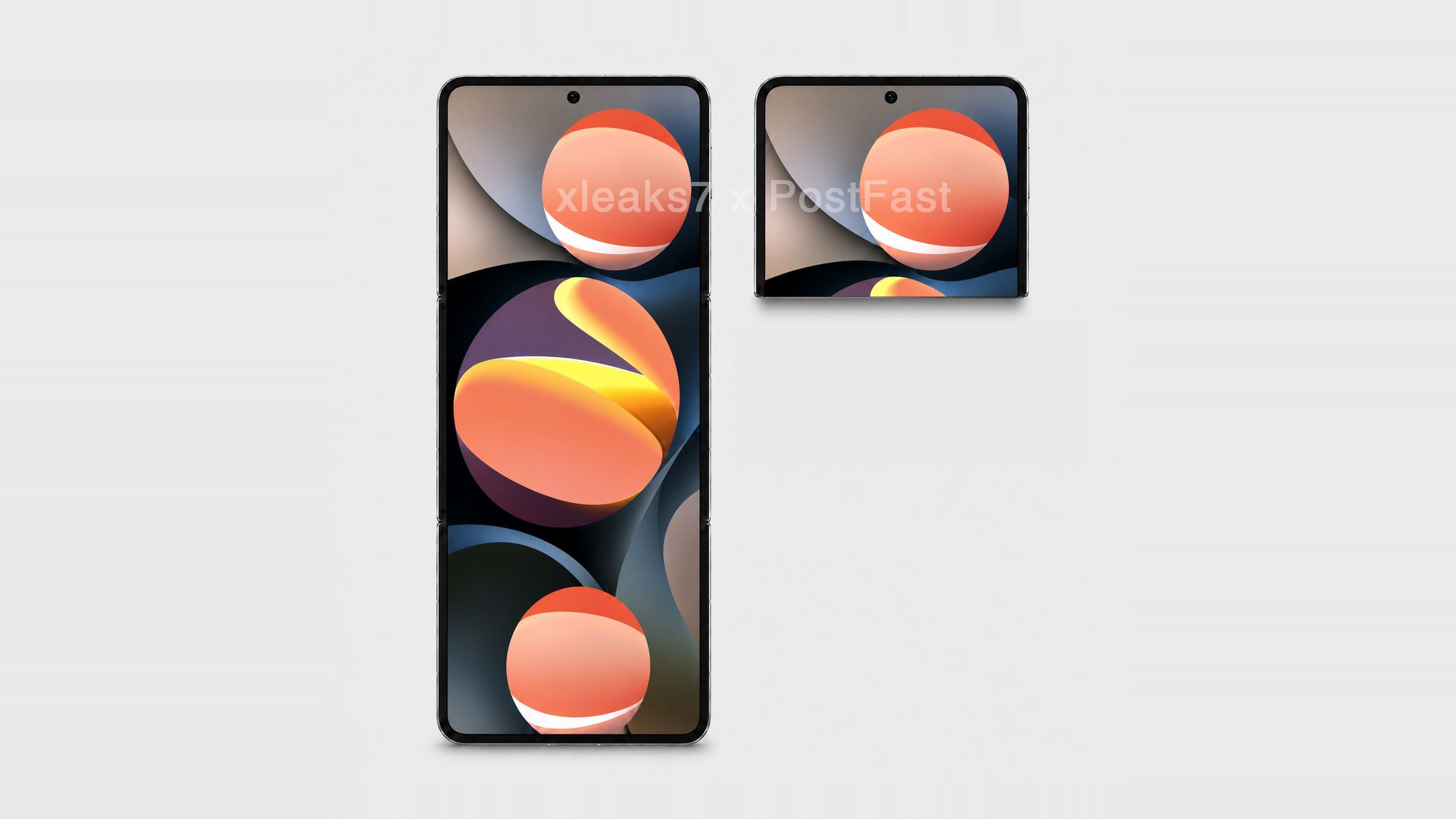
Huawei may be working on one of its most unusual foldable phones yet.
A newly published Huawei patent, spotted thanks to our collab with David from @xleaks7, shows a Huawei foldable with an S-shaped folding design.
In simple terms, this is not a regular flip phone and not a normal book-style foldable. It looks like a vertical trifold phone that folds twice and becomes much smaller when closed.
The device could possibly launch as the Huawei Pura X Trifold, although Huawei has not officially confirmed the name yet.
What makes this leak interesting is Huawei's current foldable direction. The company already has the Huawei Pura X, a wide flip-style smartphone that feels very different from normal clamshell phones.
This new concept looks like Huawei is taking that idea further: keep the wide flip format, but add another fold.
Design Overview
The design looks extremely compact when folded.
From the side, the phone appears as several thin layers stacked together.
That is the most important visual detail. Instead of folding once, the device seems to fold into three sections, almost like a vertical trifold screen wrapped into a small body.
When opened, it could become a tall smartphone-style display. When folded, it could look closer to a thick horizontal flip phone.
This makes the concept feel like a mix between a flip phone and a mini tablet.
It would still be pocketable, but with much more screen space when fully opened.
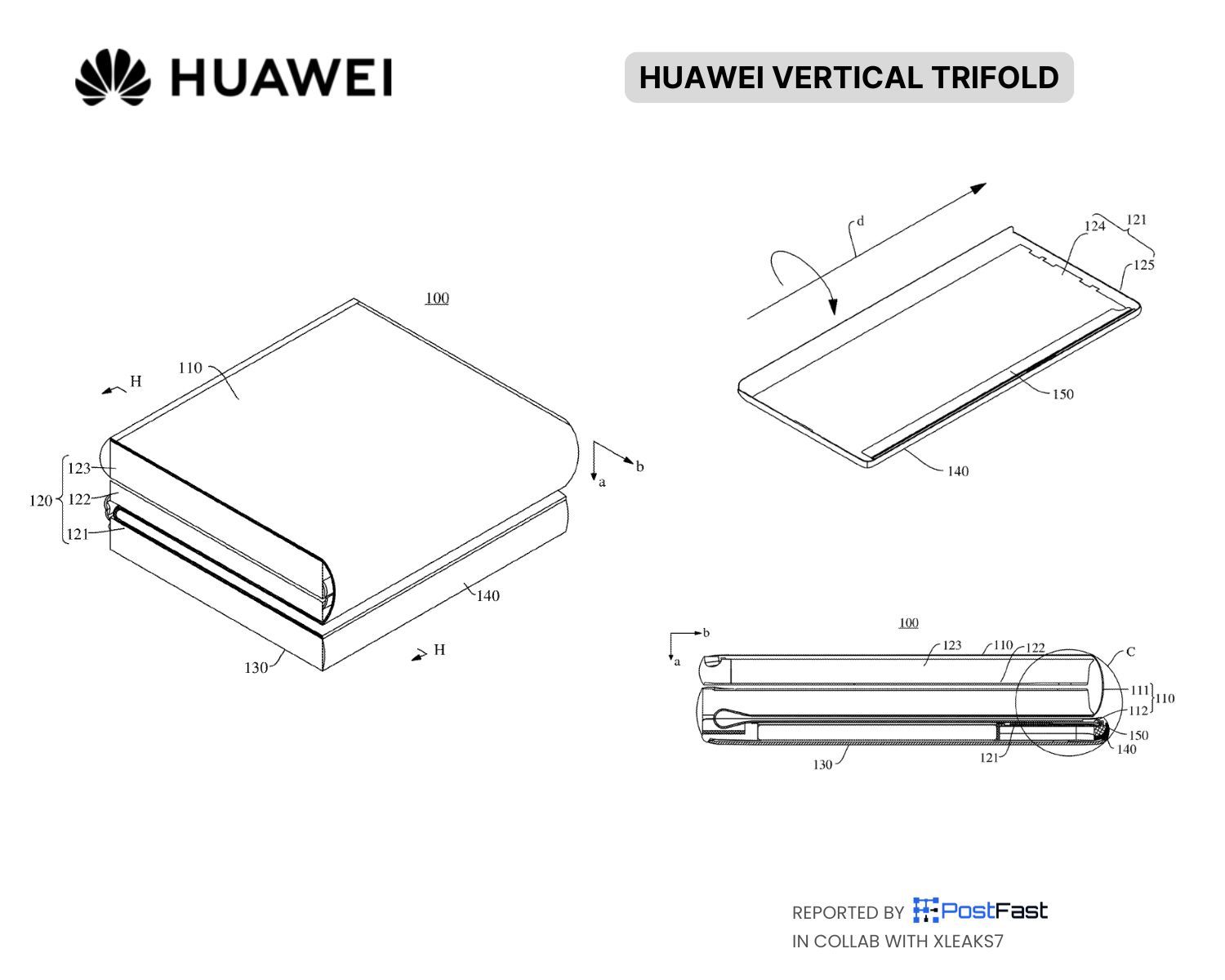 Huawei Mate X Trifold drawings. Image: PostFast
The Patent
The patent focuses on the structure behind Huawei's multi-fold design.
It describes a flexible display, middle frame, several sub-frames, antenna parts, and shielding layers. The key idea is simple: the screen can fold in an S shape.
That matters because a trifold phone is much harder to build than a regular foldable.
Huawei is not only trying to make the screen bend twice. It also needs to keep the antenna and internal parts working properly inside a very compact body.
To solve this, the patent describes a shield or baffle layer that helps reduce signal loss when the phone is folded.
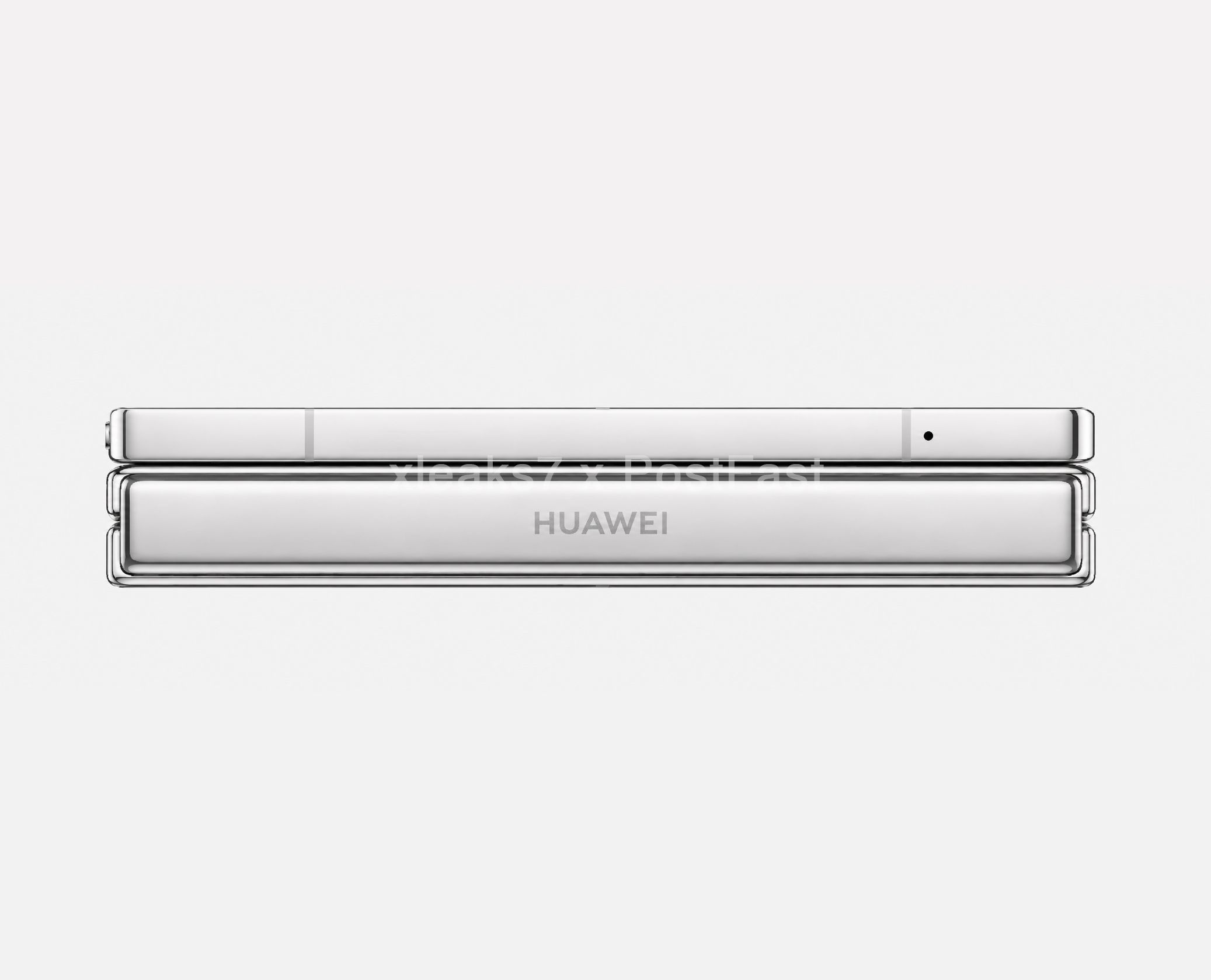 Huawei vertical trifold, folded. Image: PostFast
Why Social Media Could Be the Best Use Case
A vertical trifold sounds strange, but it could make a lot of sense for social media.
Most social platforms are already vertical. TikTok, Instagram Reels, YouTube Shorts, X, LinkedIn, and Threads are all built around scrolling, watching, writing, and posting from a phone.
A taller foldable screen could make that experience better. Users would not only see one post at a time.
They could see a longer part of the social feed, more comments, more context, and more content without constant scrolling.
Creators could watch a vertical video, edit a caption, check comments, and prepare a post without constantly switching between apps.
Social media managers could preview content, compare posts, check analytics, and manage a publishing calendar more comfortably on mobile.
That is where this type of device becomes more than just a hardware trick.
In other words, this could be the kind of phone that makes mobile content management feel less limited.
Why It Feels Like a Pura X Trifold
Huawei Pura X already showed that Huawei is willing to experiment with foldable shapes.
Most flip phones are tall and narrow. Pura X is wider and feels more like a small tablet when opened. This leaked trifold concept seems to follow the same logic, but in a more extreme way.
If Pura X was Huawei's "wide flip" experiment, this could be the next step: a wide flip-style device that unfolds twice.
That would make it very different from Samsung's Galaxy Z Flip, Motorola Razr, and other classic clamshell phones.
NOTE TO EDITORS: The text and visuals of this article are the intellectual property of PostFast. If you want to share the content, please give a proper clickable credit. Thanks for understanding.
Related articles

Best Time to Post on Social Media in 2026: 61,008 Posts Scored Against Their Own Normal
61,008 posts with clean metrics, each scored against its account's normal: Instagram 3 PM local, Facebook 3 to 5 PM, YouTube 1 PM or evenings, TikTok flat.

PostFast MCP Server for Claude, ChatGPT and Cursor: Launch Notes and Changelog (2026)
The launch note for PostFast's MCP server: npm release March 2026, ChatGPT and Claude connectors June 2026, inbox tools August 2026. Setup, tools and changelog.

Can You Schedule Posts on Bluesky? How to Schedule Bluesky Posts in 2026
Yes, with a scheduling tool: Bluesky's own app has no scheduler. What Bluesky offers, the 300-grapheme and media limits, and how to schedule with PostFast.

Can You Schedule Posts on LinkedIn? How to Schedule LinkedIn Posts for Profiles and Pages in 2026
Yes. LinkedIn schedules posts 10 minutes to 3 months ahead (1 hour on Pages). Desktop, mobile, and Page steps, plus where PostFast goes further.
How to Schedule Pinterest Pins in 2026: Pinterest's Scheduler vs PostFast, Step by Step
Two ways to schedule Pinterest Pins: Pinterest's own scheduler (30 days ahead, 10 Pins queued) and PostFast for image, video, and multi-image Pins from desktop.

Best Social Media Schedulers in 2026: 11 Tools Compared on Price, Platforms, and Automation
Eleven social media schedulers compared on September 2026 pricing, platforms, auto-publishing, and API or MCP automation, using each vendor's own pricing page.