Influencer Marketing Trends: 6 Must-Follow Strategies
Influencer marketing continues to evolve, and 2025 brings exciting developments. Below are six key influencer marketing strategies to keep your brand relevant and engaging.
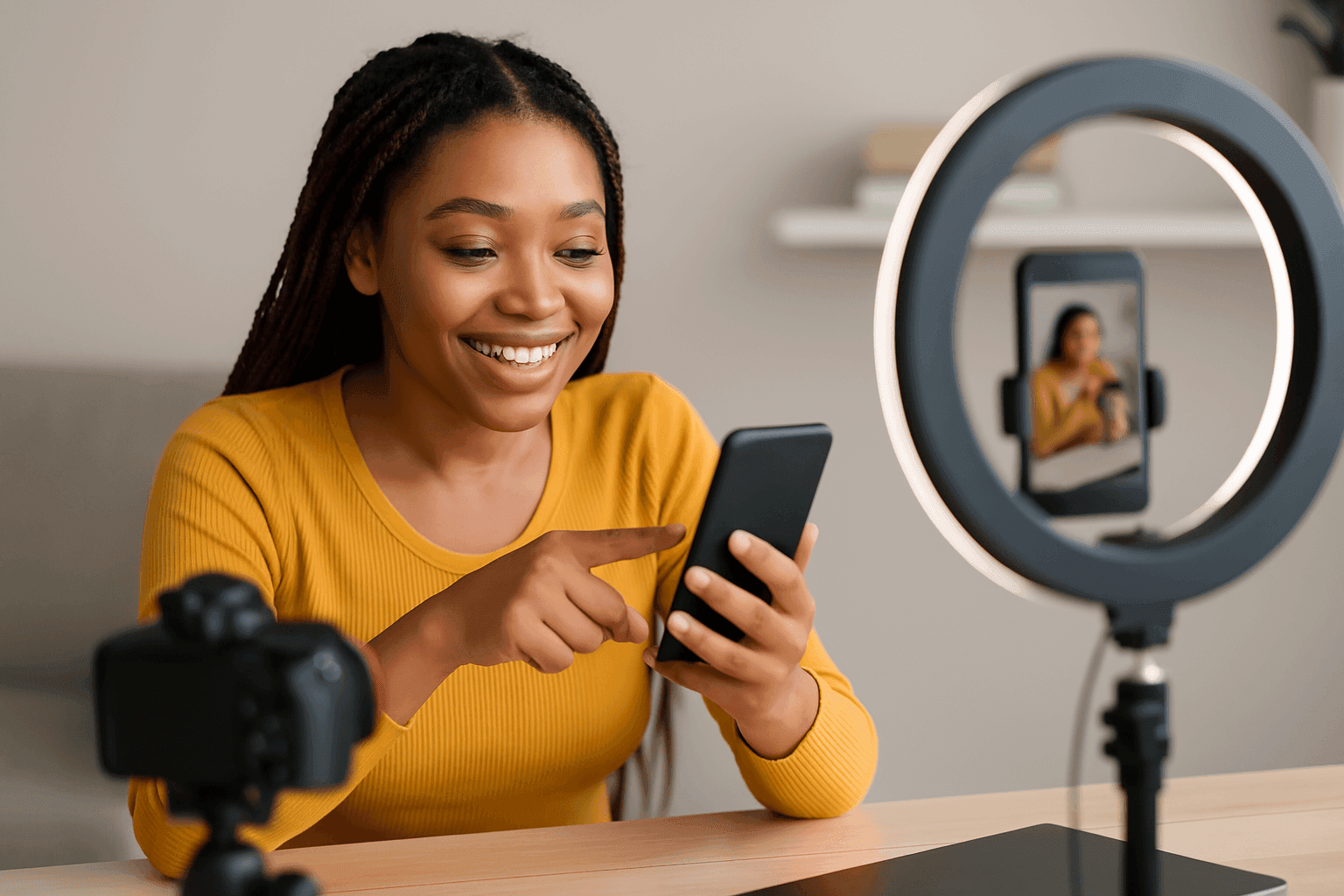
Influencer marketing continues to evolve, and 2025 brings exciting developments. At PostFast, we're dedicated to ensuring our users stay informed and ahead of these important trends. Here are six key influencer marketing strategies to keep your brand relevant and engaging:
1. LinkedIn Emerges as an Influencer Hub
LinkedIn has rapidly evolved from a networking site into a dynamic influencer marketing platform, especially effective for B2B brands and professional services. With its recent enhancements supporting short-form video content, LinkedIn enables influencers to connect authentically and directly with decision-makers.
In 2025, LinkedIn influencers will significantly impact professional markets, offering brands a powerful channel to build credibility and engage meaningfully with professional audiences.
2. Leveraging Micro-Influencers for Authentic Engagement
Brands are increasingly recognizing the value of micro-influencers—those with followings typically between 10,000 to 50,000—for their ability to generate authentic engagement and trust within niche communities. Micro-influencers excel at creating genuine connections and fostering strong relationships with their followers.
Moving forward, brands will increasingly prioritize micro-influencers as strategic partners, capitalizing on their ability to drive deeper, more meaningful conversations and interactions.
3. Deinfluencing Gains Momentum
Deinfluencing, originally a reaction against excessive consumerism, is becoming a mainstream influencer marketing approach. Influencers are now openly advising followers about products not worth purchasing, promoting mindful consumer habits and enhancing transparency.
Brands emphasizing ethical standards and sustainability are best suited to partner with deinfluencers, aligning their messaging with consumer values and enhancing brand credibility.
4. B2B Influencer Marketing Sees Continued Growth
Influencer marketing is no longer limited to consumer-facing brands. The B2B sector increasingly leverages industry influencers to enhance credibility, engage decision-makers, and drive impactful business results.
Influencer-generated educational content, including webinars, in-depth reports, and case studies, is becoming essential for shaping purchasing decisions and establishing industry authority.
LinkedIn and X (formerly Twitter) remain primary platforms for executing sophisticated, targeted B2B influencer campaigns.
5. Gen Z Continues to Drive Influencer Trends
Gen Z, digital natives who prioritize transparency and social responsibility, continue reshaping influencer marketing. Expected to represent 27% of the global workforce by 2025, Gen Z significantly impacts market dynamics and brand strategies.
Platforms such as TikTok, Instagram, and YouTube remain critical for engaging Gen Z, who often follow influencers not just for entertainment but for education and insights. Brands looking to attract Gen Z need to emphasize authentic, purposeful storytelling that resonates with this group's values and concerns.
6. The Rise of Influencer-Led Livestream Shopping
Livestream shopping led by influencers is rapidly gaining popularity as an engaging and highly effective sales strategy. Combining entertainment with real-time purchasing, livestreams allow influencers to interact directly with viewers, showcase products, and facilitate instant transactions.
In 2025, expect livestream shopping to become a staple of influencer marketing strategies, particularly on platforms such as Instagram, TikTok, and dedicated livestream apps.
Stay Ahead with PostFast
Understanding these influencer marketing trends ensures your brand remains competitive and relevant. At PostFast, we're committed to empowering your brand with the right tools needed to navigate these changes successfully. You can cross-post your content to multiple platforms and schedule way ahead so you don't lose time switiching context and losing focus.
Related
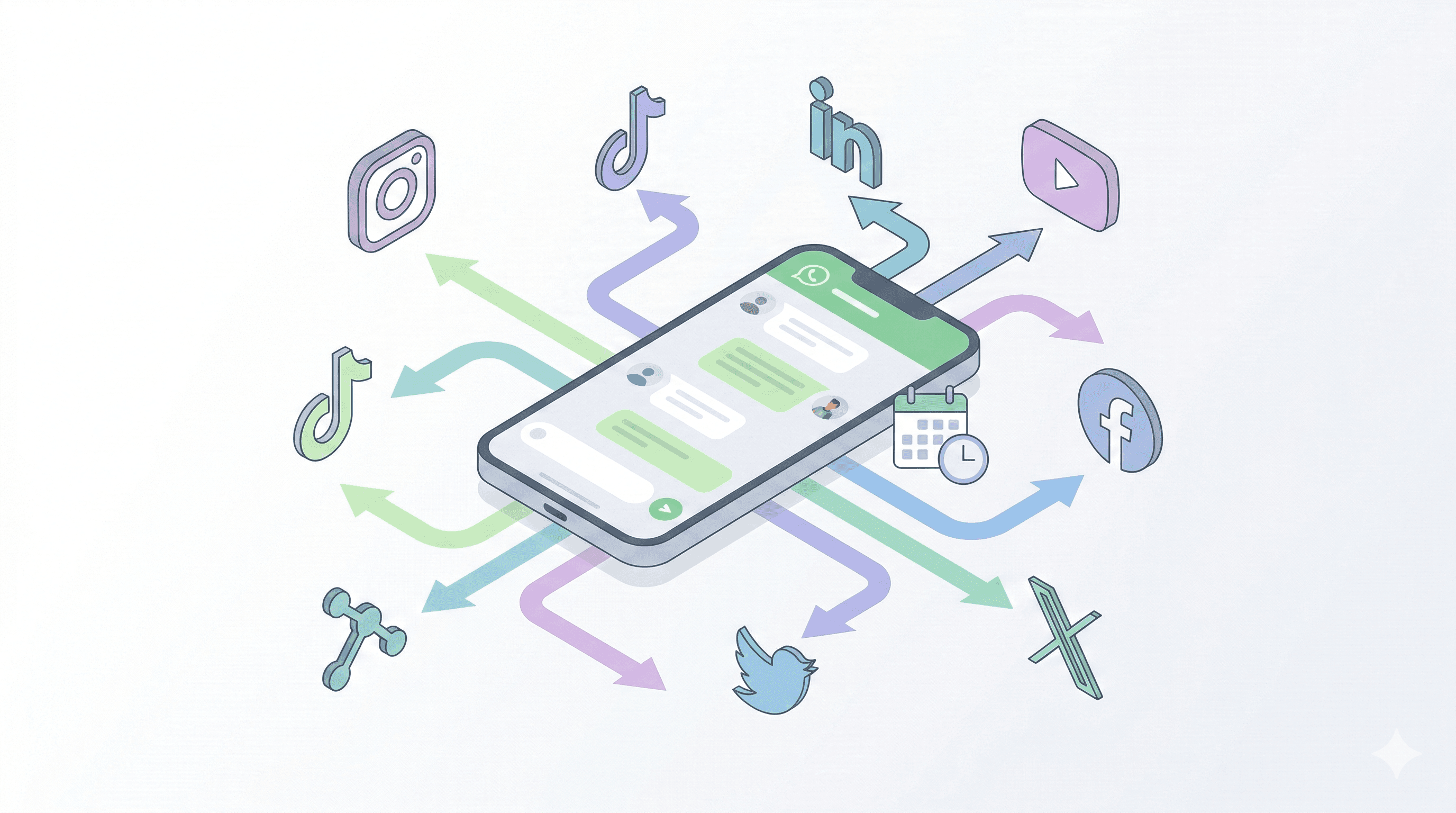
How to Schedule Social Media Posts from WhatsApp
Schedule Instagram, TikTok, LinkedIn, and 8 more platforms directly from WhatsApp. Set up OpenClaw with PostFast in 5 minutes and manage social media from chat.
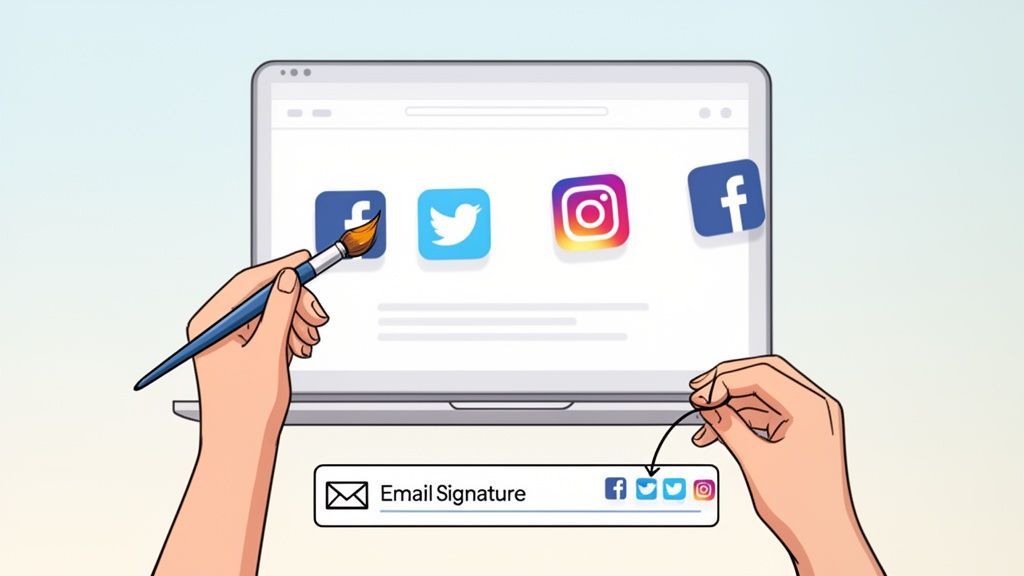
A Practical Guide to Using Social Media Icons
Learn how to find, customize, and place social media icons to create a cohesive brand experience and drive real engagement on your platforms.
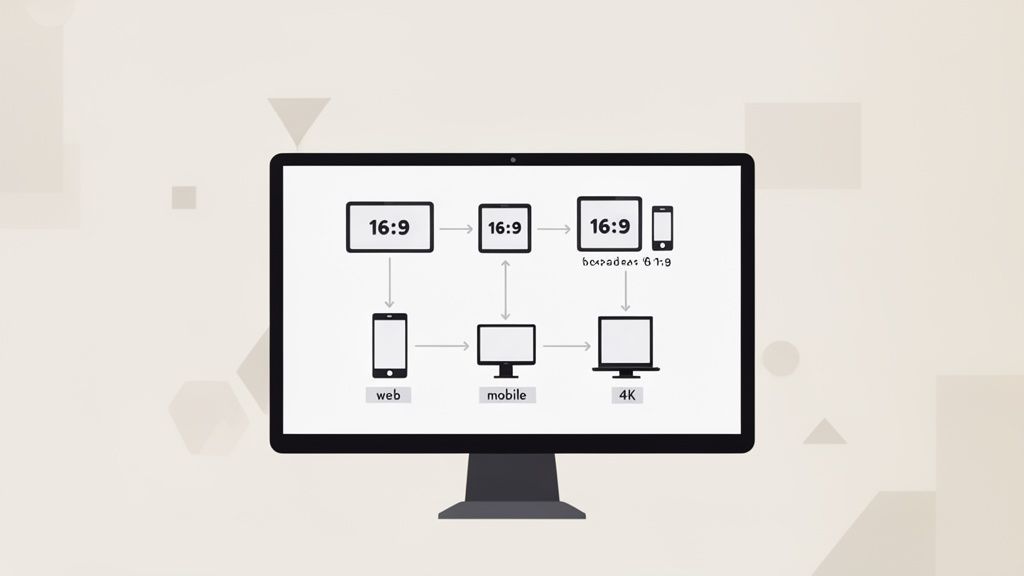
A Creator's Guide to 16:9 Resolutions
Master 16 x 9 resolutions with our definitive guide. Learn pixel dimensions, platform specs, export settings, and tips for YouTube, Instagram, and more.
Can ChatGPT Post to Instagram and Facebook? Yes, Here Is How
Yes, with a connected app. Use PostFast to schedule Instagram and Facebook posts, Reels and Stories from ChatGPT, with approval before publishing.